Choosing reliability over more features
When recurring failures affected core workflows, I paused expansion, returned to a stable version, and brought in outside expertise to investigate the underlying problems.
Read the case study →Product owner · Founder · Operator
I’m Efe Odeleye. I build and improve services and digital experiences that help people navigate complex systems and make support easier to access, understand, and use.
Featured work
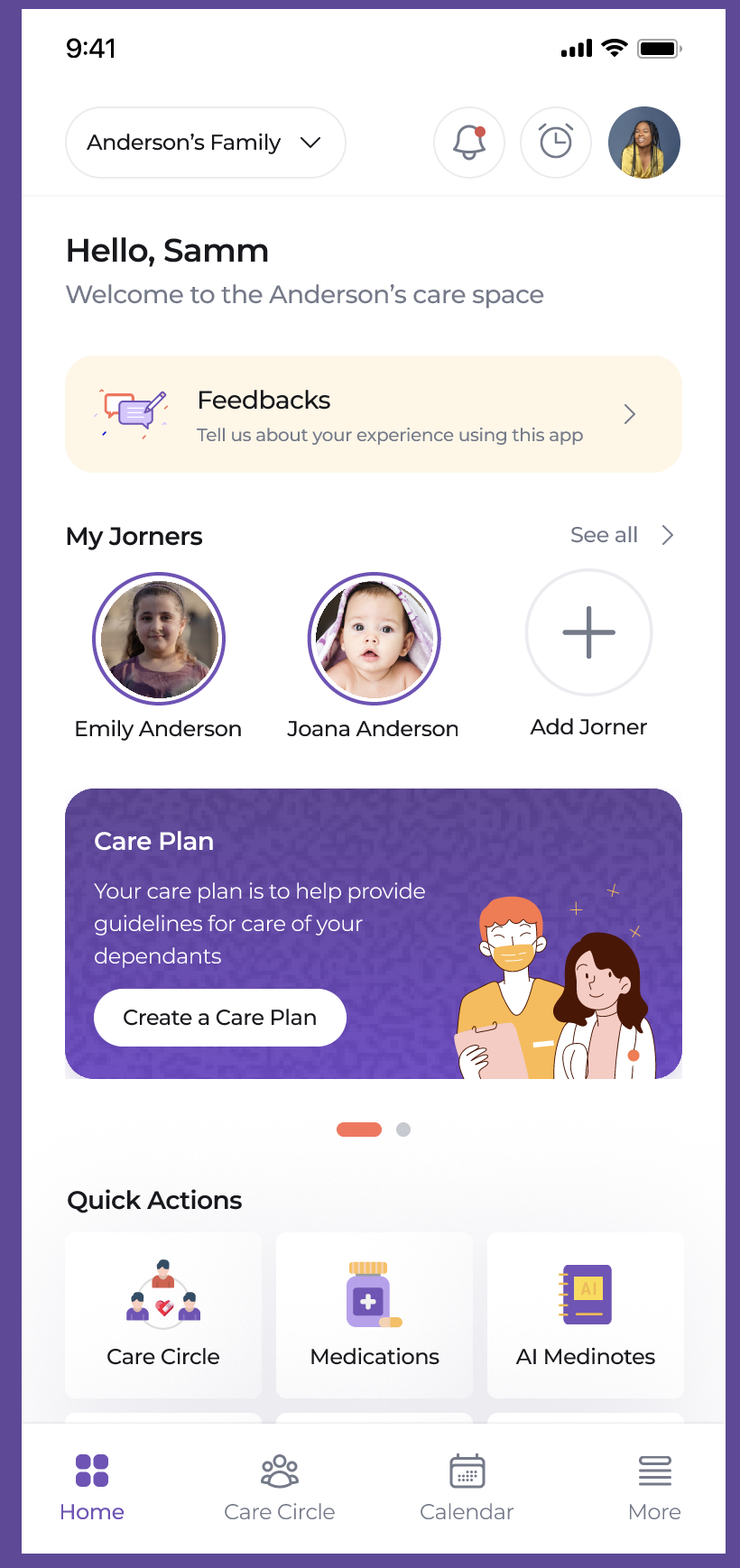
At Sojorne, I listened to caregivers, translated their feedback into priorities, and worked with designers, engineers, clinicians, and partners to make support easier to access and use.
When recurring failures affected core workflows, I paused expansion, returned to a stable version, and brought in outside expertise to investigate the underlying problems.
Read the case study →How I work
I met parents through partner events, care-binder classes, interviews, surveys, and in-app feedback.
I looked for recurring needs, refined user stories, and made tradeoffs with a small team.
I stayed involved in testing, release decisions, user communication, and issues that blocked adoption.
Case study · Sojorne caregiver app
A product judgment call about quality, trust, and the work needed to support families managing complex care.
Parents manage information and tasks across home, school, healthcare, and therapy. We envisioned one place to keep important information and coordinate with people helping care for a child. The challenge was deciding what families needed most and delivering it consistently.
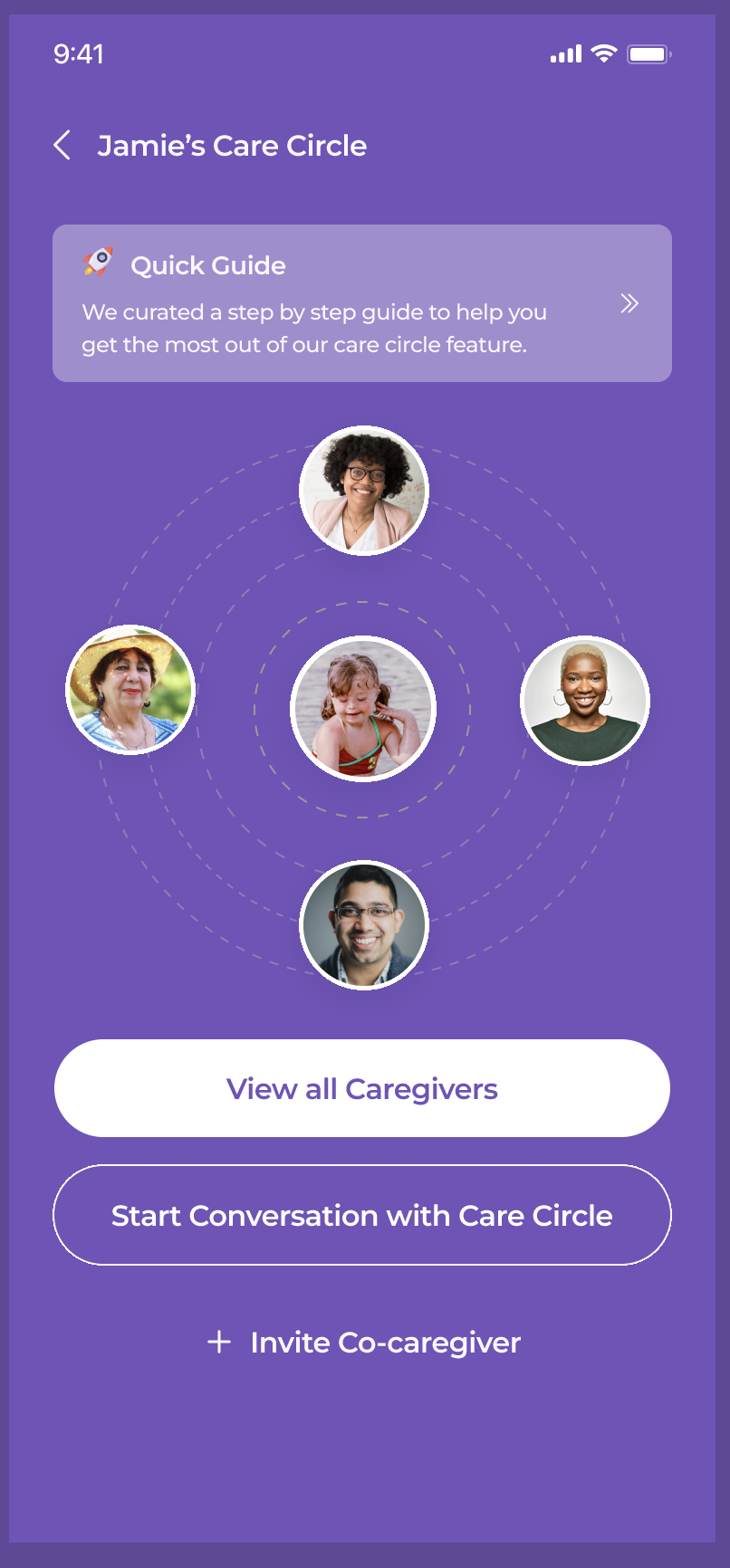
I conducted Zoom interviews and individual calls, gathered survey and in-app feedback, and met parents through partner events and free care-binder classes. I looked for recurring needs, weighed essential workflows against requests that could wait, and refined user stories for our 7-person engineering and product team. We worked on experiences such as medication reminders and the Care Circle.
Testing repeatedly surfaced failures in features that appeared ready. Problems sometimes reappeared or disrupted other parts of the app after release. An intern suggested that we stop building and fix what we had; a customer expressed the same priority. I paused new feature work and returned to an earlier, stable version over a weekend to minimize disruption. Users had to log in again, and we accepted a smaller feature set while addressing reliability.
I brought in an external development team, Empeek, to review the application and tackle persistent problems. Its scope placed existing logic ahead of new features: medication reminders were inconsistent on subsequent days, notifications arrived silently, notification taps led to a default screen, and task reminders did not continue until completion was confirmed.
The external review exposed gaps in code documentation. Developers had difficulty tracing earlier changes, so I pushed for clearer documentation and more consistent working practices. The scope also flagged inaccurate active-user calculations, reinforcing the need for dependable measurement.
Listening to users continues after a feature ships. The most consequential decision was to stop adding to the roadmap when the basic experience was not reliable enough. Usability, testing, maintainability, and credible metrics are all part of the product.
Care delivery · Performance improvement
Alongside my app work, I used benchmarking data from Jade Health and the National Autism Registry service (NADR) to guide improvements in Sojorne’s physical care delivery.
The tiering system compared our performance with more than 10,000 providers nationally. We moved from middle-tier to top-tier performance in several categories, including retention and graduation outcomes for older children and teens.
These results came from our in-person care services. They reflect how we used performance data to improve care delivery and are separate from the app’s product outcomes.
About
I founded Sojorne after experiencing how fragmented care can be for families raising children with disabilities. I worked with technical and clinical colleagues to translate family needs into digital tools and care experiences while building partnerships and service operations.
Earlier, I founded Achievers Early College Prep, a public charter school in Trenton, New Jersey, and led admissions work at KIPP Atlanta. I bring attention to the people using a service, the teams delivering it, and the details that determine whether it works in practice.
I’m interested in product, implementation, and customer-facing leadership roles in education and health technology.